Does EMS Work For Weight Loss?
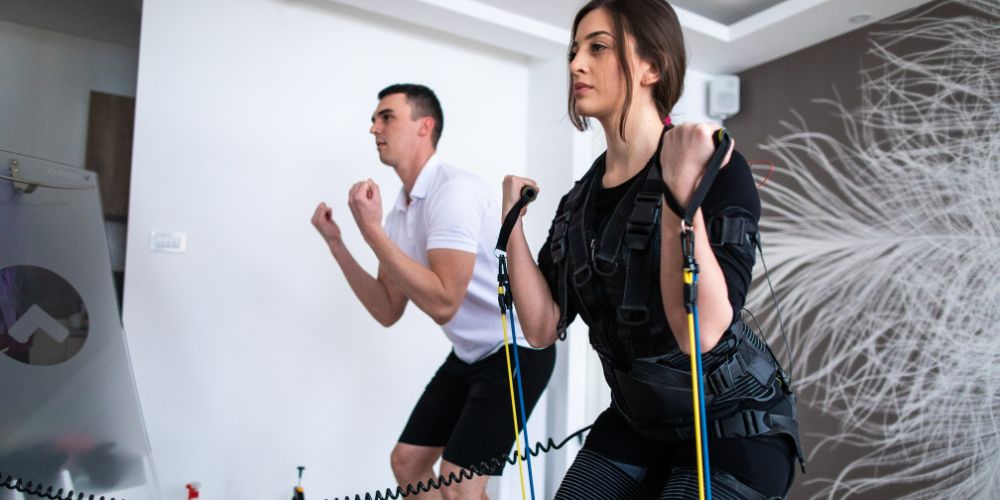
Individuals who want to lose weight frequently experiment with different ways and technology to help them succeed. Electrical Muscle Stimulation (EMS) is one such method that has recently gained popularity. EMS uses electrical impulses to trigger muscular contractions, which are thought to result in muscle development and calorie expenditure. While EMS has traditionally been touted for its ability to build muscle and improve athletic performance, there is rising interest in its usefulness for weight loss. In this post, we'll look at the science underlying EMS and how it may help you lose weight.
Understanding EMS:
Electrical Muscle Stimulation (EMS) is a technique used in a variety of applications, including physical therapy, rehabilitation, and fitness training. Electrical impulses are applied to the muscles using electrodes inserted on the skin. These impulses resemble the signals sent by the central nervous system to the muscles during voluntary contractions.
The basic purpose of EMS is to cause muscular contractions, which engage the targeted muscles without the need for conventional workouts. This is especially useful for people who have restricted mobility or are recuperating from injuries and may struggle with traditional strength training.
EMS devices often provide a variety of settings that allow users to customize the intensity and frequency of electrical impulses based on their preferences and aims. Some gadgets have pre-programmed training regimens that target certain muscle areas.
How Does EMS Work for Weight Loss?
The concept that EMS might help you lose weight comes from its capacity to generate muscular contractions and potentially enhance calorie expenditure. Proponents of EMS say that by stimulating many muscle groups at once, the technique can produce a metabolic demand that leads to increased energy expenditure, even at rest.
Furthermore, proponents argue that EMS-induced muscular spasms can stimulate muscle development and hypertrophy. Muscle tissue is metabolically active, therefore having more muscle mass might theoretically boost the body's basal metabolic rate (BMR), resulting in higher calorie burning throughout the day.
When considering the efficacy of EMS, it is important to distinguish between fat loss and weight reduction. While EMS may help with general weight reduction by burning calories and improving muscle mass, its effects on fat loss may be more subtle.
Research on EMS and Weight Loss:
Despite the growing interest in EMS for weight loss, scientific evidence supporting its efficacy remains limited. Most studies investigating the effects of EMS on body composition and weight loss have focused on specific populations or used small sample sizes, making it challenging to draw definitive conclusions.
A comprehensive review and meta-analysis published in the Journal of Strength and Conditioning Research in 2020 examined the findings of 22 research investigating the effects of EMS on body composition. The researchers discovered that, whereas EMS improved muscular strength and endurance, its effect on body fat percentage and weight reduction was less constant.
Some studies included in the analysis reported significant reductions in body fat percentage following EMS training, particularly when combined with conventional exercise and dietary interventions. However, other studies found no significant differences in body composition between EMS and control groups.
One of the challenges in interpreting the results of EMS research is the wide variability in study designs and EMS protocols. Factors such as the frequency and duration of EMS sessions, the intensity of electrical stimulation, and the training status of participants can all influence the outcomes.
Practical Considerations and Limitations:
In addition to the scientific evidence, there are practical considerations and limitations to consider when evaluating the efficacy of EMS for weight loss. One factor is adherence to EMS training protocols, as consistent and sustained use of the technology is necessary to achieve meaningful results.
Furthermore, while EMS may provide benefits in terms of muscle activation and strength gains, it is unlikely to be a standalone solution for weight loss. A holistic approach that includes regular exercise, a balanced diet, and lifestyle modifications is essential for long-term success.
It is also essential to consider the potential risks and contraindications associated with EMS use. While EMS is generally considered safe for healthy individuals, certain populations, such as pregnant women, individuals with pacemakers, or those with underlying medical conditions, may need to exercise caution or avoid using EMS altogether.
Conclusion:
In conclusion, while Electrical Muscle Stimulation (EMS) holds potential as a method for enhancing muscle strength and endurance, its effectiveness specifically for weight loss remains uncertain. Although certain studies indicate that EMS may lead to enhancements in body composition, the evidence is inconclusive, warranting further research to fully comprehend its impact on weight loss. More studies focusing on EMS for weight loss are necessary to elucidate its potential benefits and limitations and provide clearer guidance for individuals seeking alternative methods for managing their weight.
When contemplating the integration of EMS for weight loss, it's vital to view it as just one element within a holistic regimen. This regimen should encompass regular exercise, a nutritious diet, and lifestyle adjustments. Moreover, seeking guidance from a healthcare provider or fitness specialist can assist in determining the suitability and safety of EMS for weight loss, tailored to individual requirements and situations.
Finally, while EMS may have some potential advantages for weight reduction, it is not a miracle cure, and realistic expectations should be kept. Individuals who combine EMS with other evidence-based treatments can maximize their efforts to achieve their weight reduction objectives in a safe and sustainable manner.