Optimizing Industrial Heating with IBC Heater Jackets
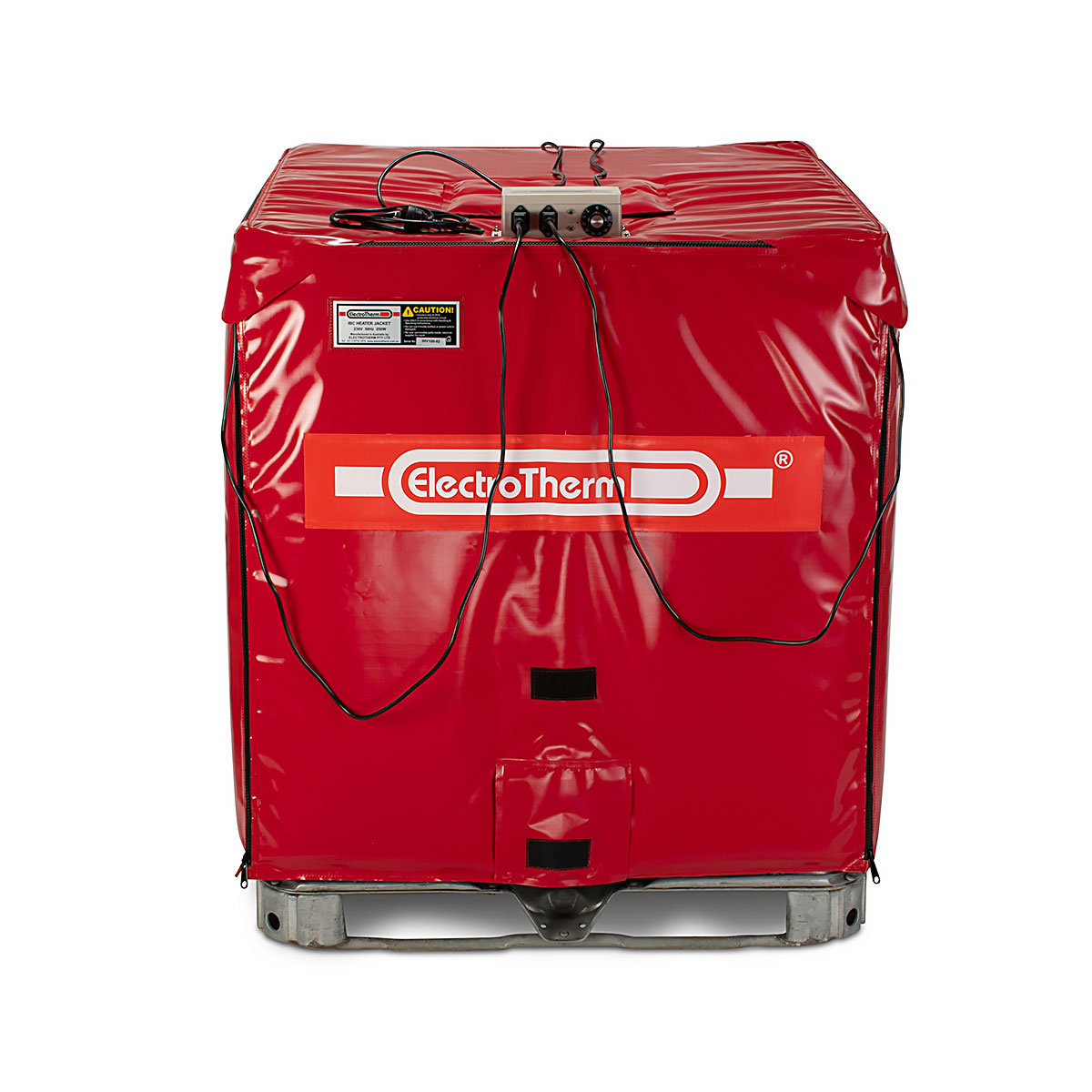
In modern industrial operations, maintaining optimal temperature control is a crucial factor for efficiency, safety, and product quality. Industries dealing with bulk liquids, chemicals, food ingredients, pharmaceuticals, or other temperature-sensitive materials often face the challenge of preventing products from freezing, thickening, or degrading during storage and transport. This is where IBC heater jackets play a vital role. Designed specifically for Intermediate Bulk Containers (IBCs), these heating solutions provide an effective, flexible, and energy-efficient way to maintain desired temperatures while protecting the integrity of stored materials.
This article explores how businesses can optimize industrial heating processes by leveraging the benefits of an IBC heater jacket, its applications, features, and best practices for maximizing performance.
Understanding the Role of IBC Heater Jackets
An IBC heater jacket is a specially designed insulated heating system that wraps around an Intermediate Bulk Container. These containers, commonly used across industries, typically store up to 1000 liters of liquids or semi-solid materials. However, depending on environmental conditions, the contents can be prone to temperature fluctuations that lead to viscosity changes, freezing, or separation.
By applying uniform heat across the container surface, an IBC heater jacket ensures that the product maintains its proper consistency and remains usable without the need for excessive reheating or manual intervention. Unlike conventional heating methods, such as space heaters or immersion heating, these jackets provide consistent, controlled, and energy-efficient thermal management.
Why Industrial Operations Need IBC Heater Jackets
Temperature-Sensitive Materials Many industries handle products like oils, waxes, chemicals, and food ingredients that solidify or thicken at lower temperatures. An IBC heater jacket ensures these materials remain in their ideal state, preventing production delays.
Energy Efficiency Traditional heating systems often consume large amounts of energy to warm entire rooms or storage areas. In contrast, an IBC heater jacket delivers direct heat to the container, significantly reducing energy consumption and costs.
Safety and Quality Assurance Overheating or uneven heating can degrade materials. With precise temperature controls, an IBC heater jacket prevents overheating and maintains consistent product quality.
Operational Flexibility Portable and easy to install, heater jackets can be used across multiple sites or containers, offering flexibility for businesses with dynamic storage needs.
Key Applications Across Industries
The versatility of IBC heater jackets makes them indispensable in several industries:
- Food and Beverage Industry Products like honey, syrups, oils, and chocolate often require specific temperatures to maintain flowability. An IBC heater jacket prevents crystallization and ensures smooth dispensing.
- Chemical Industry Many chemicals become hazardous or lose efficiency when exposed to extreme cold. By using an IBC heater jacket, industries can safeguard chemical stability and ensure safer handling.
- Pharmaceutical Sector Medicines and biological solutions often need strict temperature regulation. An IBC heater jacket helps maintain compliance with storage standards, avoiding contamination or spoilage.
- Cosmetics and Personal Care Ingredients like waxes, gels, and essential oils benefit from controlled heating, preventing separation or thickening.
- Construction Industry Adhesives, coatings, and resins require temperature management to maintain workability. An IBC heater jacket ensures consistent performance even in colder climates.
Features of High-Quality IBC Heater Jackets
When choosing an IBC heater jacket, businesses should look for the following features to maximize performance:
Uniform Heat Distribution – Ensures the entire container surface receives consistent warmth.
Adjustable Thermostats – Allow precise temperature control, reducing the risk of overheating.
Durable Materials – Jackets made with high-grade insulation and robust fabrics enhance longevity.
Energy Efficiency – Low wattage and quick heating designs minimize operating costs.
Easy Installation and Removal – Flexible designs allow quick fitting without specialized tools.
Safety Features – Overheat protection and insulated exteriors ensure operator safety.
Best Practices for Optimizing Industrial Heating with IBC Heater Jackets
To fully harness the benefits of an IBC heater jacket, industries should adopt a set of best practices:
Match the Heater Jacket to the Product Different products have different heating requirements. For instance, honey requires gentle warming, while heavy oils may need higher temperatures. Selecting the right specification of an IBC heater jacket is key to effective heating.
Use Insulated Lids or Covers Heat naturally escapes from the top of a container. Adding an insulated lid or thermal cover alongside the IBC heater jacket minimizes heat loss and improves efficiency.
Monitor and Adjust Temperatures Regularly Regular monitoring ensures that stored materials are not subjected to fluctuations that could harm quality. Many IBC heater jackets come with digital controls for precision management.
Perform Routine Maintenance Like any industrial equipment, regular inspection of heater jackets helps detect wear and tear early, preventing costly breakdowns.
Integrate with Workflow Position IBC containers in accessible areas where the jackets can be safely operated, monitored, and adjusted without disrupting workflow.
Advantages Over Alternative Heating Methods
Compared to immersion heaters, heat lamps, or heated rooms, an IBC heater jacket offers several distinct advantages:
Cost Savings – Targeted heating reduces wasted energy compared to whole-room solutions.
Safety – Unlike immersion heaters, jackets don’t risk direct product contamination.
Mobility – Easily moved and applied to different containers as needed.
Product Protection – Provides gradual, controlled heating, preventing scorching or chemical reactions.
Sustainability Benefits
With industries increasingly focusing on eco-friendly solutions, the IBC heater jacket also contributes to sustainability goals. By minimizing energy waste and optimizing heating, these jackets lower the overall carbon footprint of industrial operations. Additionally, their durability ensures long service life, reducing the need for frequent replacements and waste generation.
Future Trends in IBC Heater Jackets
The future of IBC heater jackets lies in smart technologies and enhanced efficiency. Some emerging trends include:
IoT Integration – Smart jackets with sensors can transmit real-time temperature data to centralized monitoring systems.
Eco-Friendly Materials – Manufacturers are developing jackets with recyclable insulation and fabrics.
Custom Designs – Industry-specific models tailored for food safety, hazardous chemicals, or pharmaceuticals are becoming more common.
Conclusion
In today’s competitive industrial landscape, efficiency and quality are paramount. An IBC heater jacket is more than just a heating accessory; it is a strategic tool that helps industries optimize operations, reduce costs, and maintain product integrity. By ensuring temperature-sensitive materials remain stable, businesses can avoid delays, improve workflow, and enhance safety standards.
Whether in food processing, pharmaceuticals, or chemicals, adopting IBC heater jackets is a smart investment that combines practicality, sustainability, and innovation. For companies seeking to optimize industrial heating, the solution is clear: choose an IBC heater jacket and unlock long-term operational benefits.